Dr. Erin Whitson
Dr. Erin Whitson
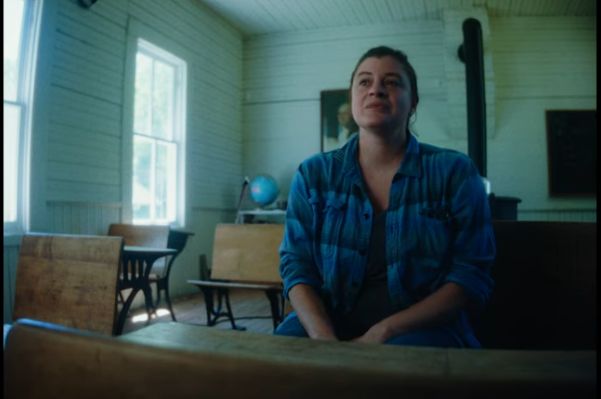
Please join us in congratulating Erin Whitson on successfully defending her doctoral thesis—a milestone that reflects years of dedicated research and scholarship. She will receive her doctoral degree from the Department of Anthropology at Binghamton University, marking an exciting new chapter in her academic and professional journey.
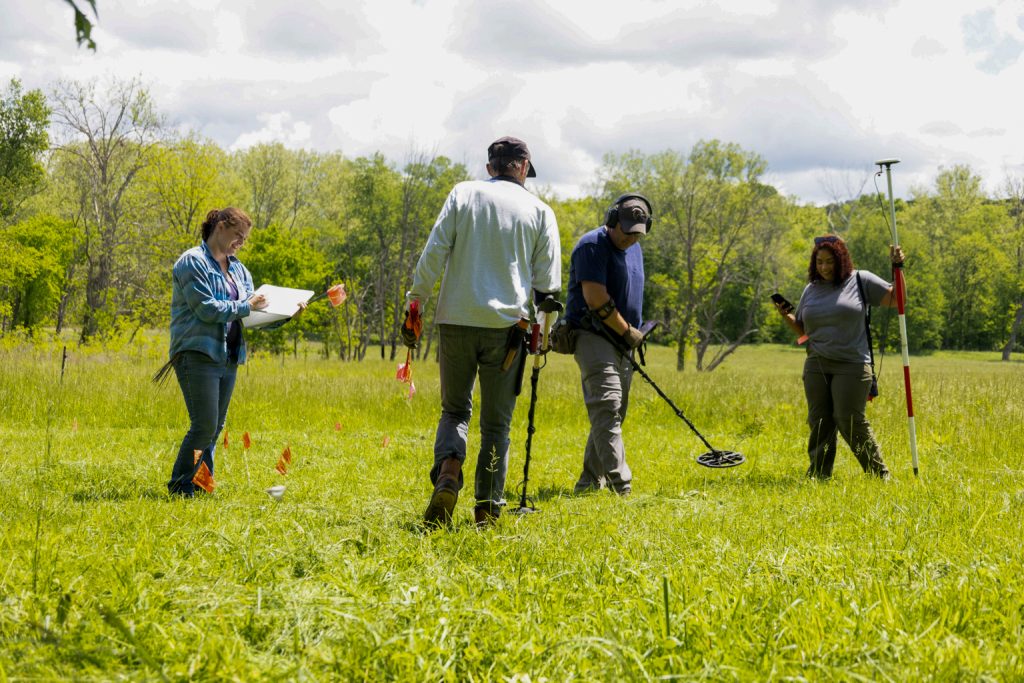
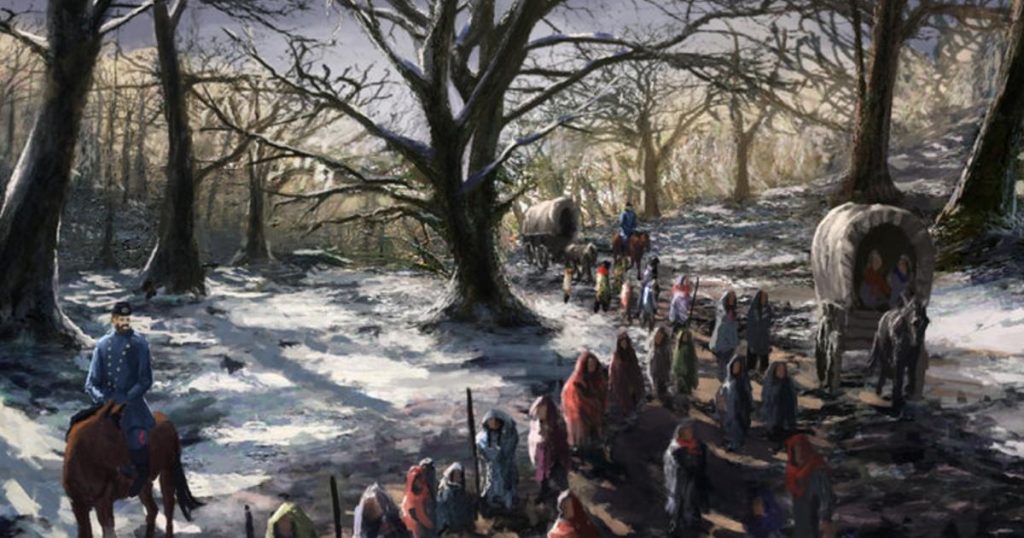
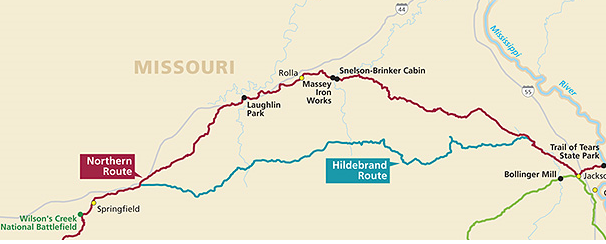
Dr. Erin Whitson’s most recent work centers on uncovering the physical traces of one of America’s most consequential and painful migrations—the Trail of Tears. As a doctoral researcher at the Binghamton University Department of Anthropology, she has led an archaeological investigation into Cherokee encampments in Crawford County, Missouri, focusing on identifying and interpreting the temporary sites used along the northern route. Her dissertation, “Finding the Trail of Tears: An Archaeological Investigation of Cherokee Encampments in Crawford County, Missouri,” seeks to move beyond maps and written accounts by locating the material evidence of these journeys—camp remains, activity areas, and landscape features that speak to the lived experience of displacement.
Whitson’s work is grounded in the belief that even the most fleeting occupations leave meaningful traces. By examining these sites, she brings attention to the resilience and daily realities of Cherokee people during their forced removal, contributing both to academic knowledge and to ongoing preservation and remembrance efforts in the region.
This focus builds on a broader research interest in material culture and the lives of historically underrepresented groups. Whitson specializes in using artifacts, built environments, and spatial analysis to better understand people often left out of traditional narratives, including enslaved individuals, servants, and laborers. Her approach emphasizes how everyday objects and spaces can reveal systems of power, identity, and survival.
She developed this perspective during her graduate studies at Illinois State University Department of Sociology and Anthropology, where she earned her Master’s degree. Her thesis, “Identifying with the Help: An Examination of Class, Ethnicity, and Gender on a Post-colonial French Houselot,” examined the social structure of early Missouri settlements. Focusing on an outbuilding associated with the Janis-Ziegler property, she analyzed how class, ethnicity, and gender shaped interactions within a French colonial household and its surrounding labor systems.
Across both her master’s and doctoral research, Dr. Whitson demonstrates a consistent commitment to telling fuller, more inclusive stories of the past—piecing together history not just from what was written down, but from what was left behind.